3111 Sunset Blvd # X, Rocklin, CA 95677


Why Grinding Your Teeth at Night Could Mean Sleep Apnea
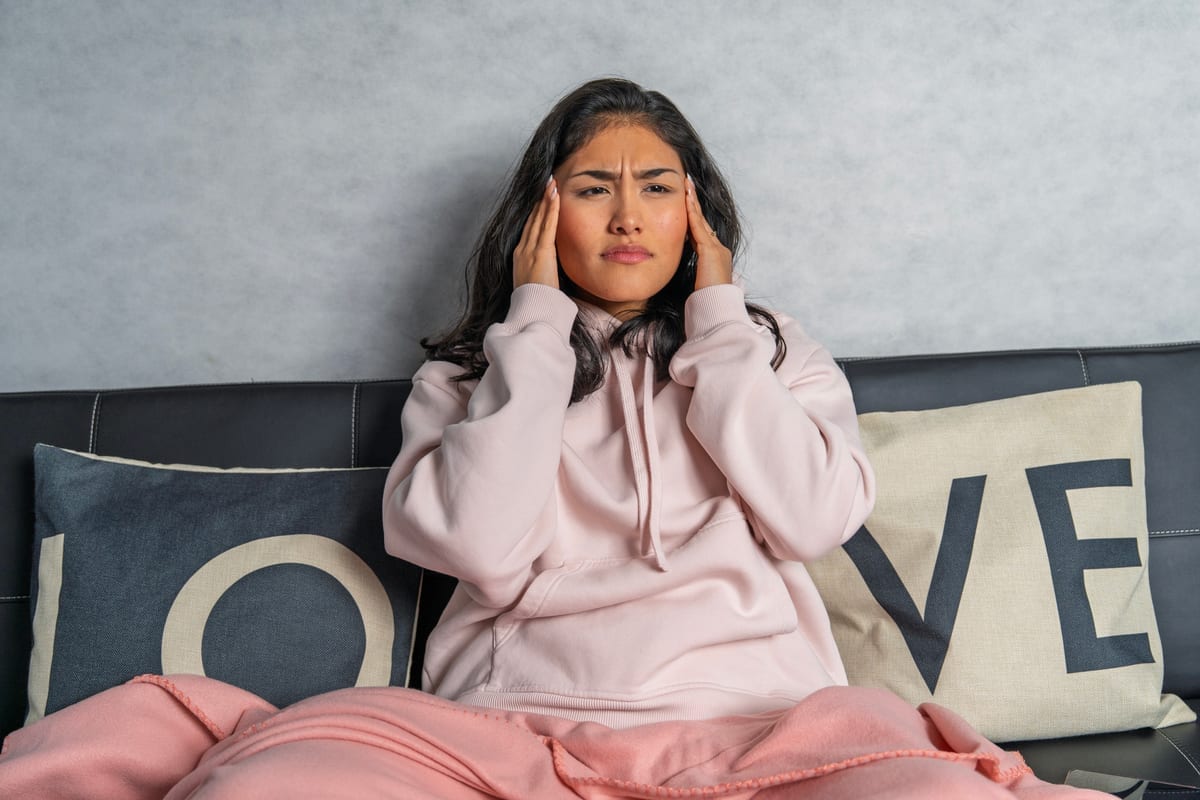
If you wake up with a sore jaw, worn teeth, or a dull headache, you may assume stress is the culprit. But why grinding your teeth at night could mean sleep apnea in Rocklin is a question more patients should be asking. Bruxism — the clinical term for nighttime teeth grinding — is strongly linked to obstructive sleep apnea and other airway disorders. At Discover Airway and Sleep, Dr. Jaclyn Pak helps patients understand this important connection so they can get the right care.
What Causes Nighttime Teeth Grinding?
Teeth grinding does not have a single cause. It often results from a combination of physical, neurological, and airway-related factors. Understanding what drives bruxism is the first step toward effective treatment.
Common causes and risk factors for nighttime teeth grinding include:
- Obstructive sleep apnea: Airway collapse triggers the jaw to clench as the body tries to reopen the throat
- Chronic stress and anxiety: Emotional tension carries into sleep and activates jaw muscles
- Bite misalignment: An uneven bite puts abnormal pressure on the jaw joints during sleep
- Arthritis in the jaw joint: Inflammation can cause involuntary muscle guarding at night
- Past jaw injury: Trauma alters how muscles function during sleep cycles
- Certain sleep disorders: Restless leg syndrome and sleep apnea are both associated with bruxism
Many people focus only on stress when addressing bruxism. However, research shows that airway obstruction is one of the strongest predictors of nighttime grinding. If you grind your teeth, a sleep airway evaluation is a critical next step.
The Sleep Apnea and Bruxism Connection in Rocklin Patients
Obstructive sleep apnea causes the soft tissues in your throat to collapse during sleep. When your airway narrows, your oxygen levels drop. Your brain then sends an emergency signal to your body to restore breathing.
One of your body’s automatic responses is to clench and shift the jaw forward. This physical movement can briefly reopen the airway. However, it also causes the forceful grinding and clenching we call bruxism.
This means that bruxism may not be a stress problem at all — it may be your airway’s distress signal. Many Rocklin residents grinding their teeth at night are unknowingly cycling through dozens of these micro-arousals every hour. Each episode disrupts deep sleep and strains the jaw.
The result is a frustrating cycle: poor sleep, jaw pain, morning headaches, and daytime fatigue. Treating only the grinding without addressing the underlying airway issue rarely provides lasting relief. This is exactly why understanding why grinding your teeth at night could mean sleep apnea in Rocklin matters so much for your health.
Signs Your Bruxism May Be Linked to Sleep Apnea
Not every person who grinds their teeth has sleep apnea. But certain patterns suggest the two conditions are connected. Recognizing these signs can help you seek the right evaluation sooner.
Watch for these warning signs that your bruxism may have an airway cause:
- Waking up feeling unrefreshed even after a full night in bed
- Loud snoring reported by a partner or family member
- Gasping or choking sounds during sleep
- Frequent morning headaches or jaw soreness
- Daytime sleepiness that affects your focus or mood
- Neck or shoulder tension that worsens after sleep
- Grinding that a mouth guard alone does not seem to resolve
A standard night guard from a general dentist protects your teeth. But it does nothing to treat the underlying sleep apnea driving the grinding. If you recognize several of these signs, a sleep-focused evaluation is strongly recommended.
Dr. Jaclyn Pak at Discover Airway and Sleep evaluates patients for both bruxism and airway dysfunction. She helps Rocklin patients identify whether a sleep disorder is the root cause of their jaw problems. Addressing the airway often reduces or eliminates bruxism entirely. You can learn more about Sleep Apnea Treatment Rocklin Ca Rocklin and how it may apply to your situation.
How Oral Appliance Therapy Addresses Both Bruxism and Sleep Apnea
For many patients, treating sleep apnea directly reduces or resolves bruxism. Oral appliance therapy is one of the most effective non-invasive options available today. It works by gently repositioning the lower jaw forward during sleep.
This forward jaw position keeps the airway open throughout the night. When the airway stays open, oxygen levels remain stable. Your brain no longer needs to trigger emergency jaw-clenching responses. As a result, bruxism episodes decrease significantly for many patients.
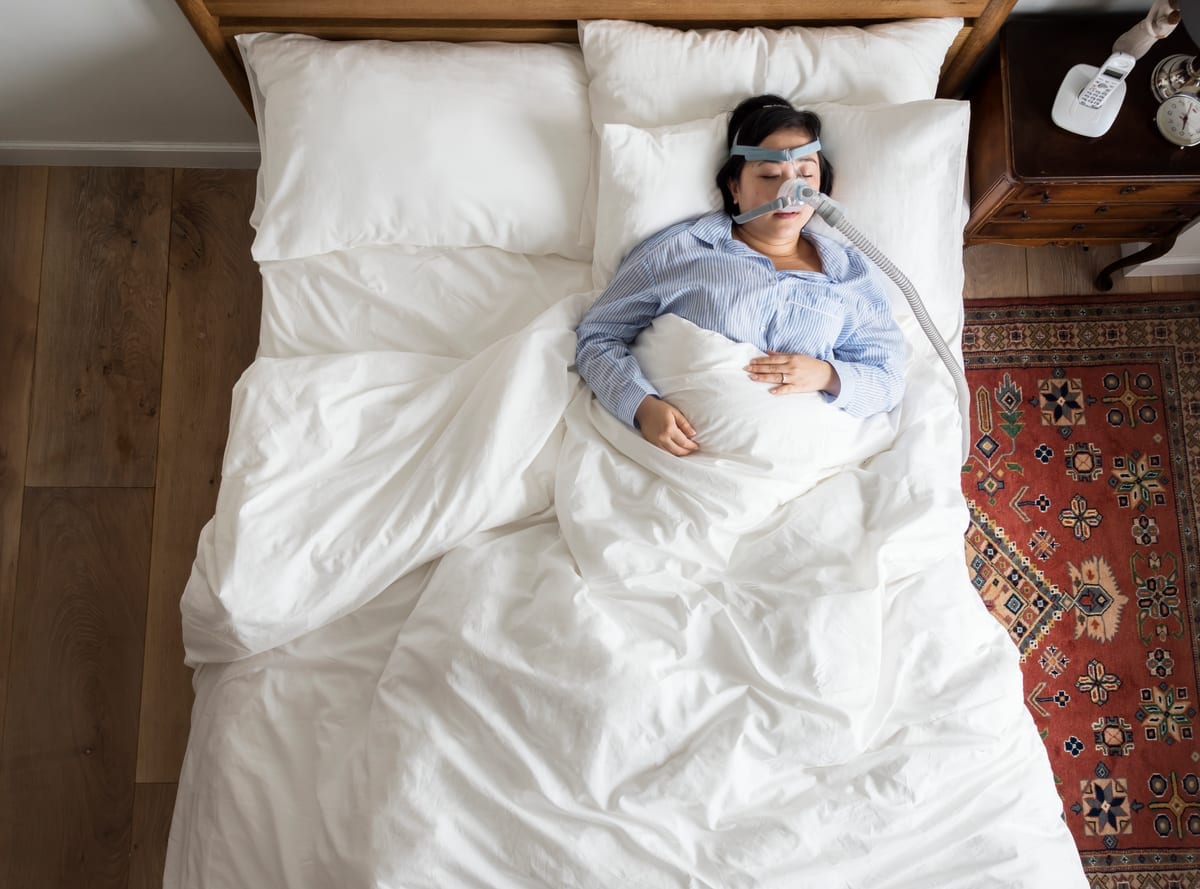
Oral appliances are custom-fitted to your unique anatomy. They are comfortable, quiet, and easy to travel with. Many patients prefer them as a CPAP alternative because they require no mask, hose, or machine noise.
Patients with both snoring and bruxism may also benefit from dedicated Snoring Appliances Rocklin Ca Rocklin that are designed to keep the airway open and reduce grinding simultaneously. Dr. Pak takes detailed records and collaborates with sleep physicians to ensure your appliance is calibrated correctly. The goal is restful, restorative sleep — not just symptom management.
What to Expect During a Sleep Airway Evaluation at Discover Airway and Sleep
If you suspect your teeth grinding is connected to a sleep disorder, the first step is a thorough evaluation. Dr. Jaclyn Pak follows a systematic process to assess your airway, jaw, and sleep health together.
Here is what the evaluation process typically involves:
- Comprehensive health history review: Dr. Pak reviews your sleep symptoms, jaw pain, snoring history, and medical background
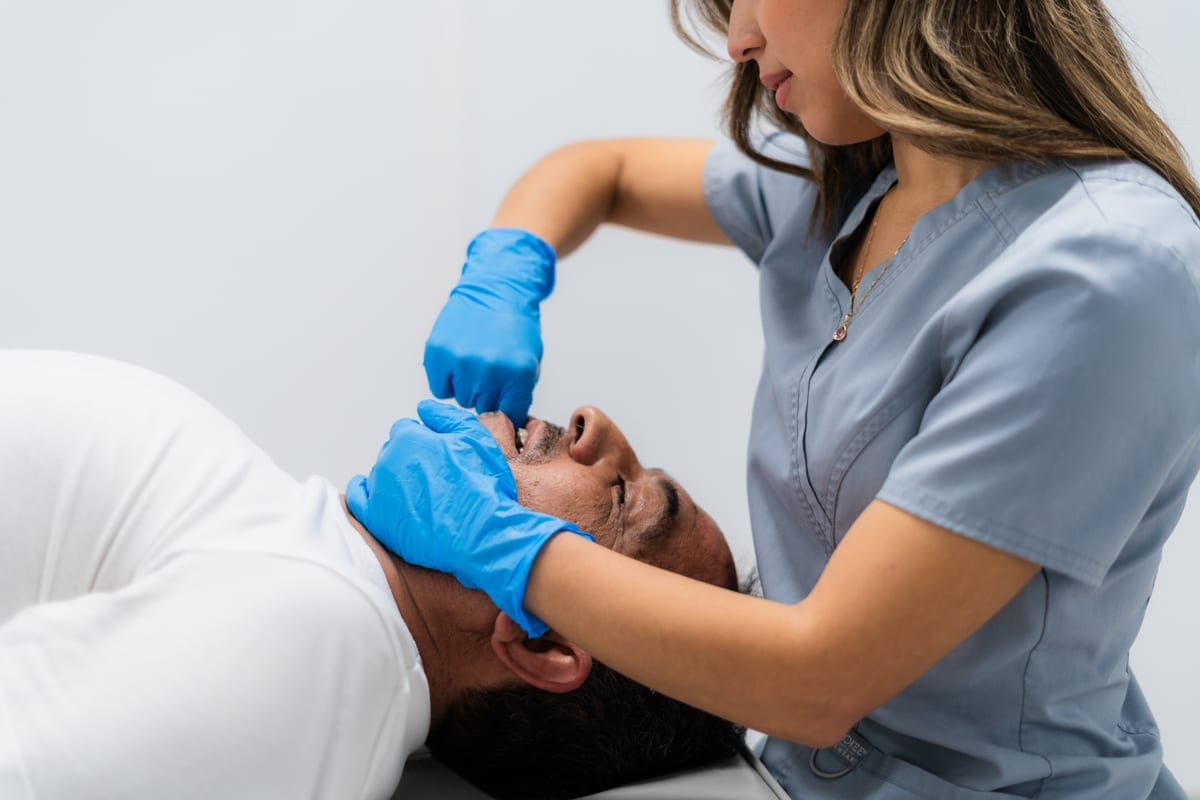
- Airway and jaw examination: She assesses jaw range of motion, muscle tenderness, and signs of airway restriction
- Sleep study coordination: If sleep apnea is suspected, Dr. Pak coordinates a home or lab-based sleep test with a sleep physician
- Custom appliance fitting: Once a diagnosis is confirmed, a precise oral appliance is fabricated for your anatomy
- Follow-up and titration: Regular follow-up appointments ensure the appliance is working and adjusted as needed
This thorough process ensures that bruxism is not treated in isolation. Dr. Pak looks at the whole picture — airway, jaw, and sleep quality together. Rocklin patients consistently report better sleep and reduced jaw symptoms after completing this process.
Frequently Asked Questions
Can teeth grinding really be caused by sleep apnea?
Yes. Research strongly links obstructive sleep apnea to bruxism. When the airway collapses during sleep, the brain triggers jaw clenching as a reflex to reopen it. This means treating the underlying sleep apnea often reduces or eliminates nighttime grinding. A sleep airway evaluation can clarify whether apnea is driving your bruxism.
Will a regular night guard fix my grinding if I have sleep apnea?
A standard night guard protects your teeth from wear but does not treat sleep apnea. If apnea is causing your grinding, the underlying problem continues even with a guard in place. An oral appliance designed for sleep apnea addresses both the airway obstruction and jaw clenching at the same time. Dr. Jaclyn Pak can help you determine the right device for your specific needs.
How do I know if my snoring and grinding are connected?
Snoring and teeth grinding often share the same root cause — a partially obstructed airway. If you or your partner notice both grinding sounds and snoring during the night, this combination is a strong indicator of sleep apnea. A home sleep test can confirm whether apnea is present. From there, Dr. Pak can recommend the most appropriate treatment approach.
Is oral appliance therapy effective for sleep apnea?
Oral appliance therapy is clinically proven to be effective for mild to moderate obstructive sleep apnea. It is also used for patients with severe sleep apnea who cannot tolerate CPAP. The appliance repositions the jaw to keep the airway open throughout the night. Many patients experience significant improvement in sleep quality, daytime energy, and jaw symptoms.
How do I get started with Dr. Jaclyn Pak in Rocklin?
You can begin by scheduling a consultation at Discover Airway and Sleep in Rocklin, CA. Dr. Pak will review your symptoms, examine your airway and jaw, and coordinate any necessary sleep testing. From there, a personalized treatment plan is developed based on your specific diagnosis and goals. Early evaluation leads to better outcomes, so do not wait if you are experiencing symptoms.
If you grind your teeth at night and wake up feeling exhausted, your airway may need attention. Dr. Jaclyn Pak and the team at Discover Airway and Sleep in Rocklin, CA are here to help you find answers and real relief. Book Now to schedule your appointment with our team.
Ready for a Better Night’s Sleep?
Discover Your Personalized Sleep Solution